Key Takeaways
- In Georgia and North Florida, you can find the squash, blueberry, carpenter, long-horned, honey, cuckoo, and bumblebee.
- The squash, blueberry, carpenter, and long-horned bee rarely sting, but the honey, cuckoo, and bumblebee may sometimes sting when encountered.
- If you spot one of their bees or nests, call a bee control specialist (like Dixon Pest Services) right away.
- Bees are considered a beneficial species, but their stings still pose a health risk to some people.
Bees have stingers, and sometimes they use those stingers. And sometimes people who are allergic to bee stings can have pretty serious reactions, which has more or less made bees a scary insect.
But we’re here to tell you bees have a bad rap! Well. Most of them, that is. You probably know already that there’s actually a bee shortage in the world, which is scary. Bees help flowers and crops grow, pollinating 80 percent of what grows all around the world.
So don’t be afraid of bees! Some will probably never ever sting you, and some are a little more easily provoked. Here’s an overview of bees in our region, ranked from gentlest to those most to be avoided.
Different Bees in Georgia & North Florida
Squash Bee
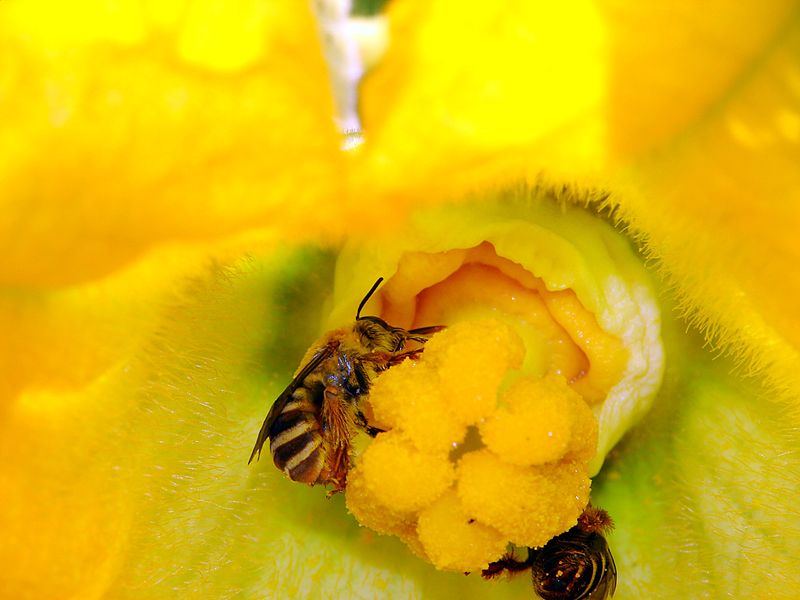
DOES THE SQUASH BEE STING? Never.
These sweet little squash pollinators don’t even have stingers, so they won’t sting you. Enjoy them in peace.
Blueberry Bee
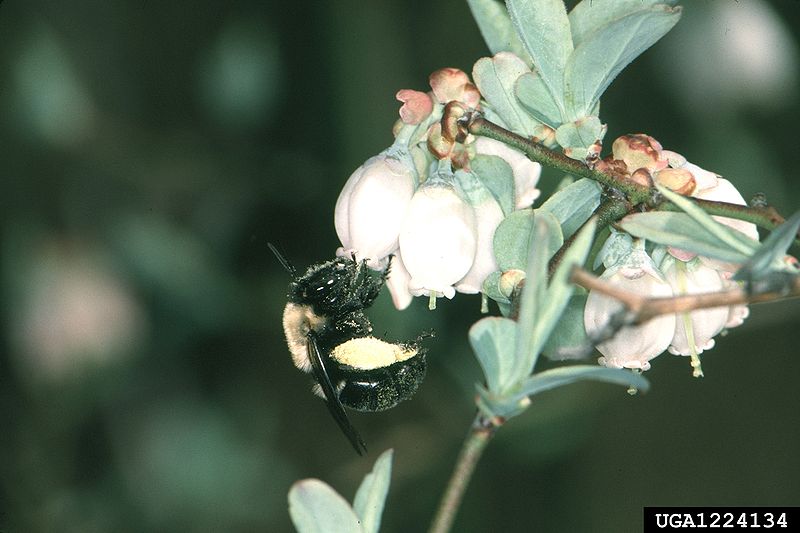
DOES THE BLUEBERRY BEE STING? Very rarely.
Unless you squash a squash bee, you’re very unlikely to be stung.
Carpenter Bee
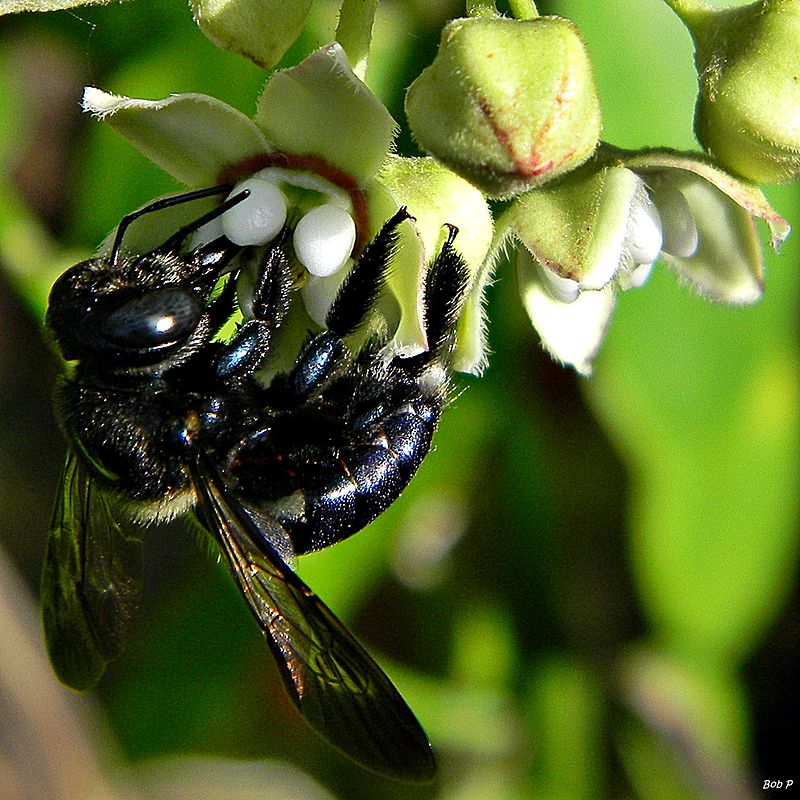
DOES THE CARPENTER BEE STING? Rarely.
Carpenter bees look a bit like bumble bees, but they’re more interested in burrowing into your porch than ruining your party. They will sting if you stick your fingers in their nest or otherwise cause trouble, but otherwise they keep to themselves.
Long-Horned Bee
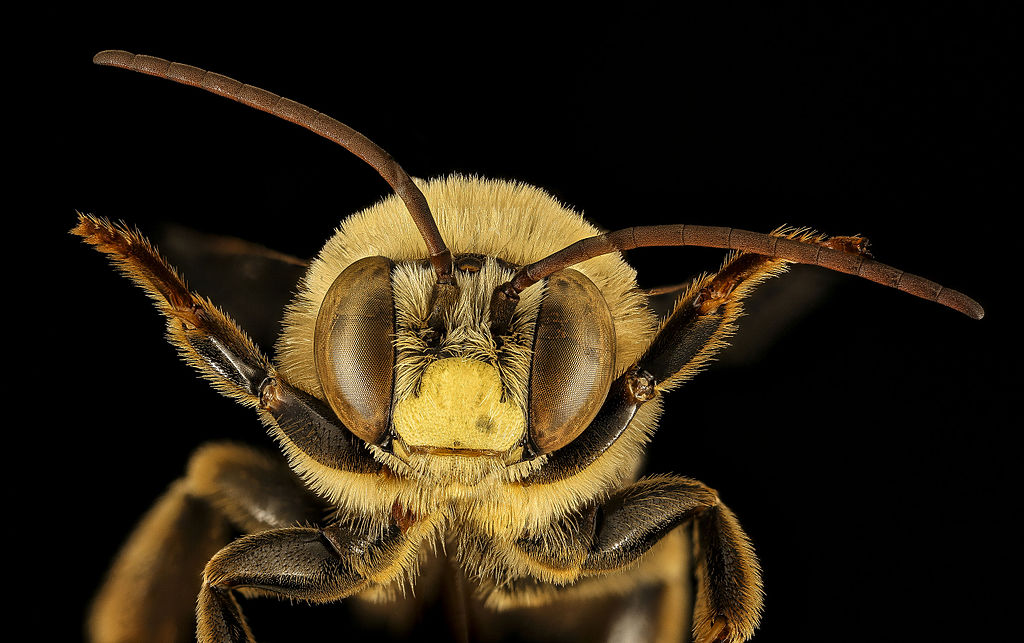
DOES THE LONG-HORNED BEE STING? Rarely.
Long-horned bees look like honey bees, but they don’t produce honey. Males don’t have stingers, but females do. If you’re aggressive with them, they could sting you. But they’re likely to leave you alone if you leave them alone.
Honey Bee
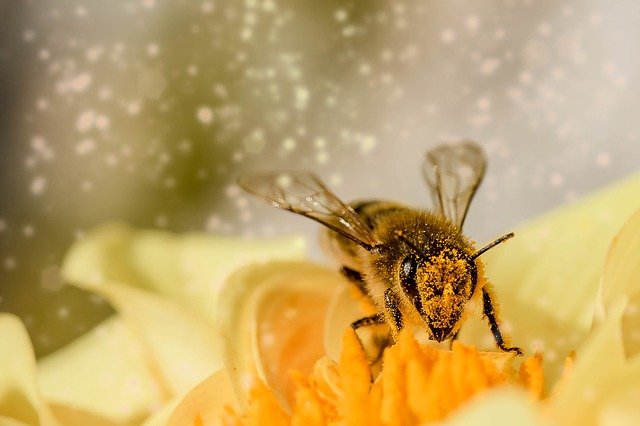
DOES THE HONEY BEE STING? Not often.
Honeybees are very common, and you might recognize them by the way they slowly and driftily fly around. They’re not very scared of us, but if they do get scared or if they’re mistreated, they will sting you. (And die.)
Bumblebee
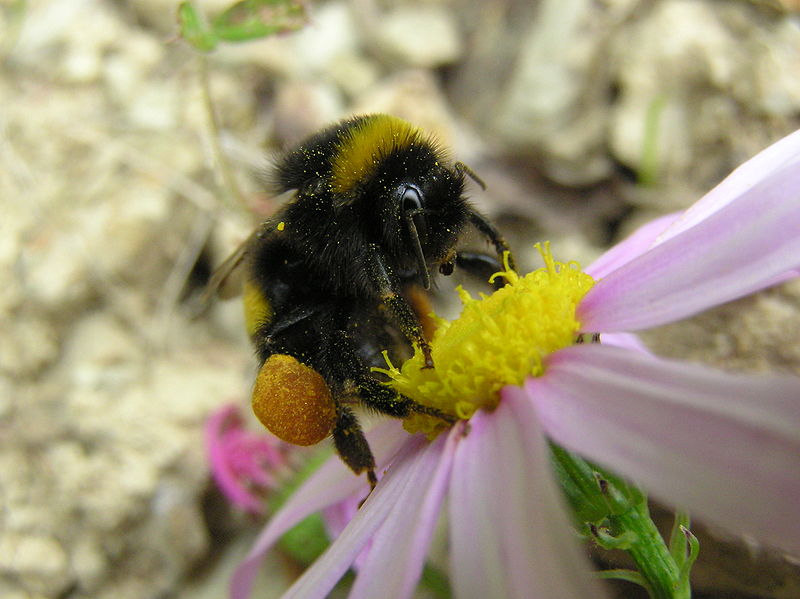
DOES THE BUMBLEBEE STING? Not often.
According to UGA entomologist Dan Suiter, bumble bees can be just as aggressive as wasps and other bees if you get too close to their nest. “Social bees and wasps are always more aggressive and will sting when we get close because they are protecting the queen,” he says. So don’t mess with the nest!
Cuckoo Bee
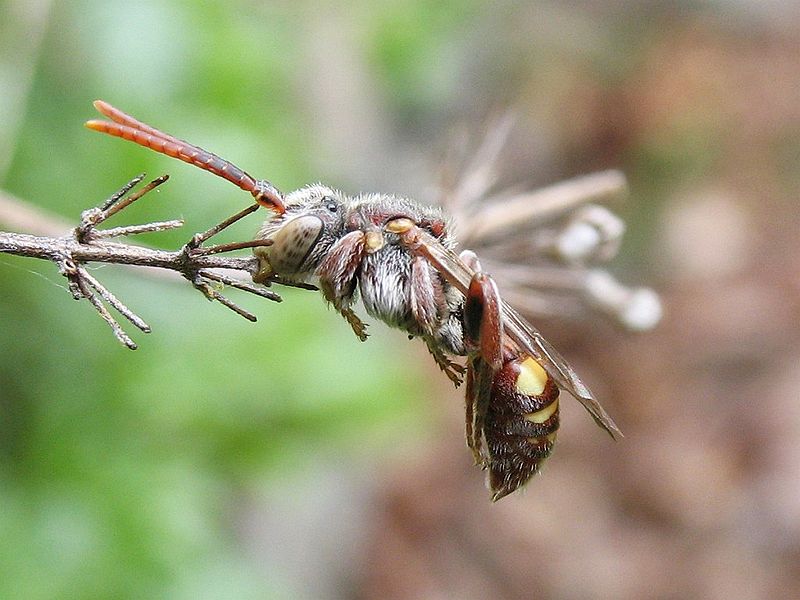
DOES CUCKOO BEE STING? Sometimes.
These bees are a little more ornery and may sting you if provoked. But the other danger is they look a bit like wasps (which are way more likely to sting). So it’s best to keep your distance.
What Should I Do if I Find One of Their Nests?
First, don’t panic! Don’t attempt to remove the nest yourself. Even the mildest bee sting can be dangerous if you’re allergic to stings or have a compromised immune system.
Call a professional bee control expert, such as Dixon Pest Services. We’ll come out, assess any bee activity, and remove the nest as humanely and effectively as possible.
Safe, Effective Stinging Insect Removal
Many bees here in Georgia or North Florida are docile and won’t hurt you. The stingers to look out for are hornets, wasps, and provoked yellow jackets and bumble bees.
Wondering if you’ve got a stinging pest problem? Dixon Pest Services can help. Reach out to us today, and we’ll get you started with an inspection.


